


Packaging · 3 min read
Delivery packaging that survives the ride
How to choose boxes, wraps, bags and seals so delivery orders arrive hot, intact and on-brand. A practical guide for cloud kitchens, QSRs and restaurants.
Jais Brandworks · Lower Parel, Mumbai ·
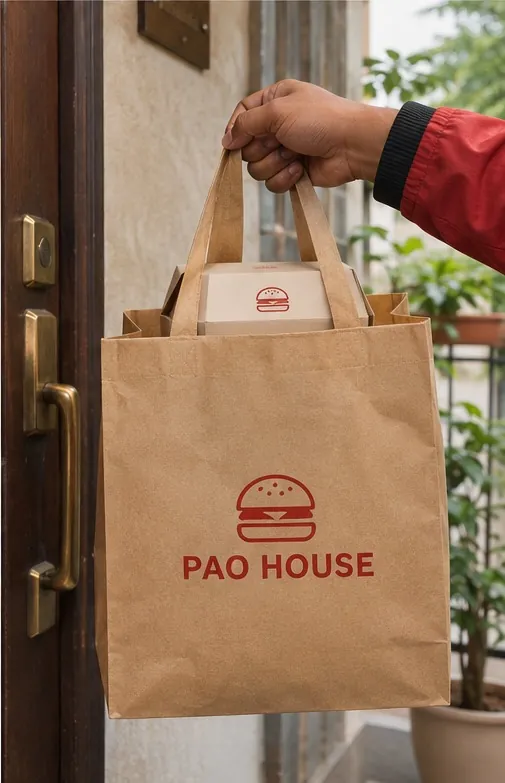
For a cloud kitchen, the packaging is the restaurant. There’s no dining room, no signboard and no waiter. The customer’s whole experience of your brand is a bag that arrives at the door after a ride across the city, often in traffic or rain.
That ride is hard on food and harder on packaging. Here is what to think about, piece by piece.
The box: matched to the food
Each type of food has a box that suits it:
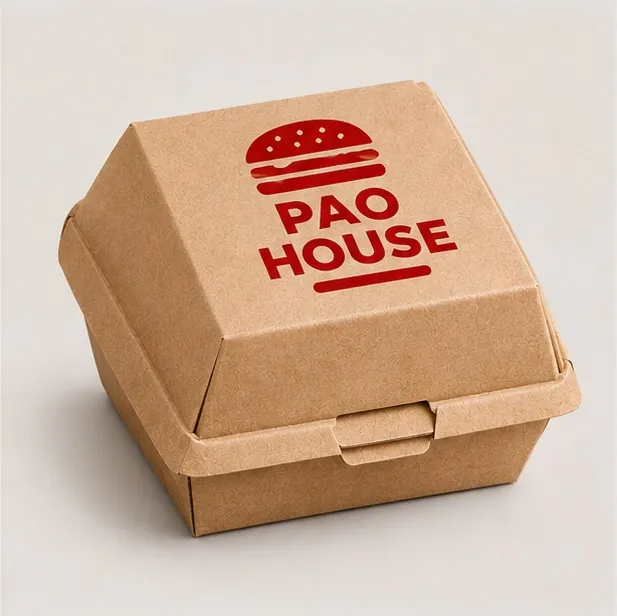
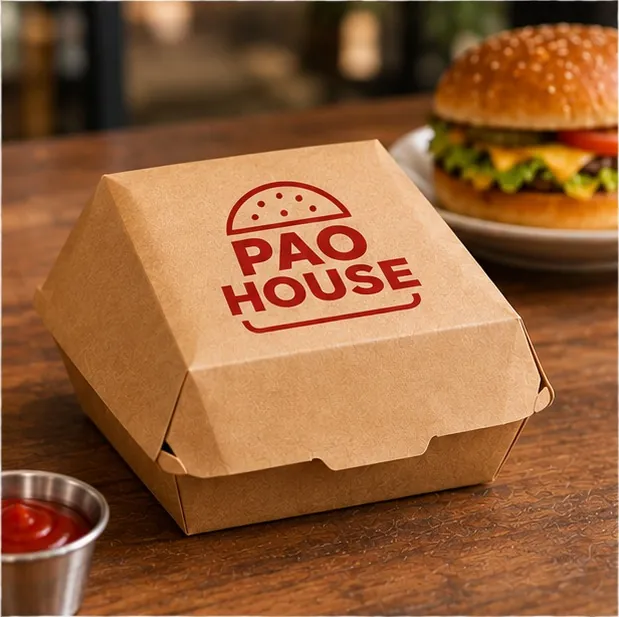
- Burger boxes with a locking lid, so the burger doesn’t slide around
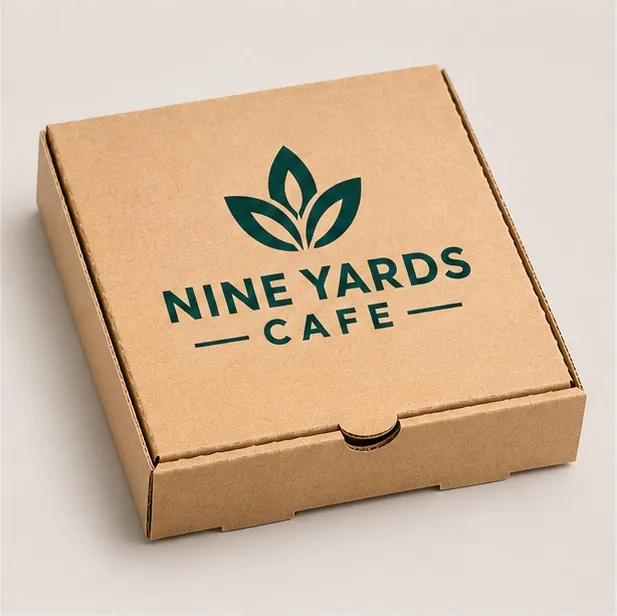
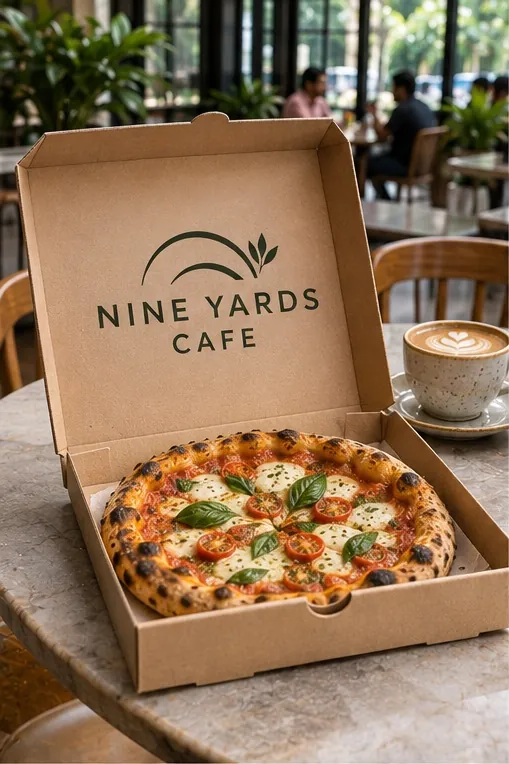
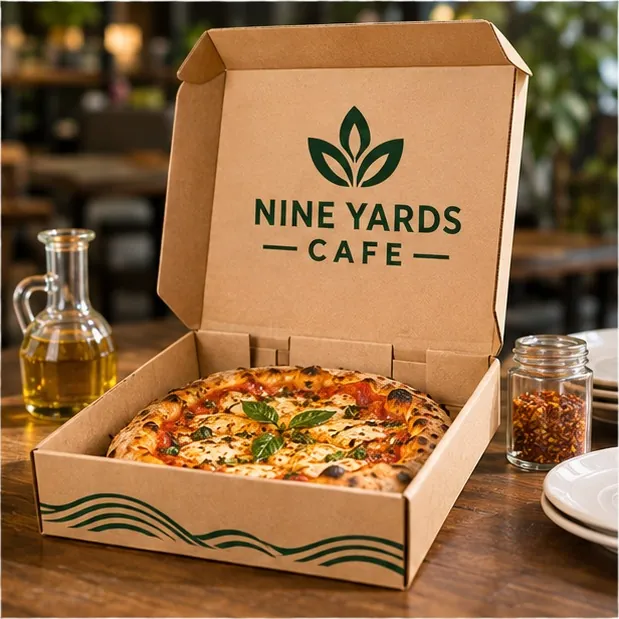
- Pizza boxes in corrugated board, which holds heat and doesn’t sag
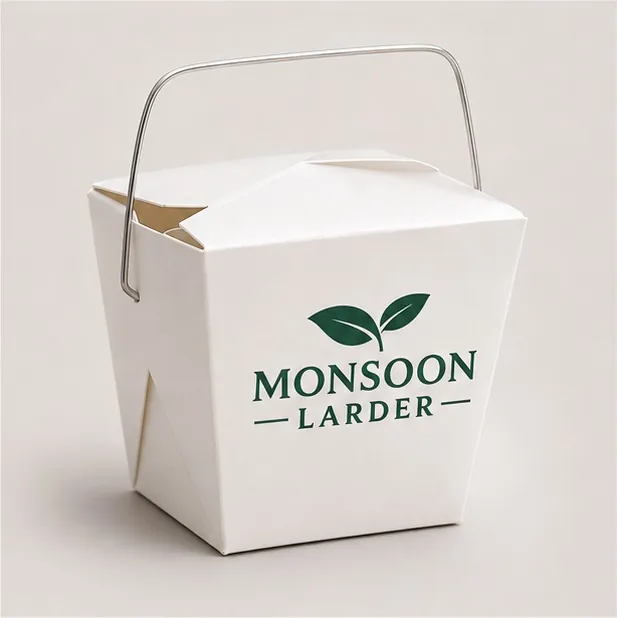
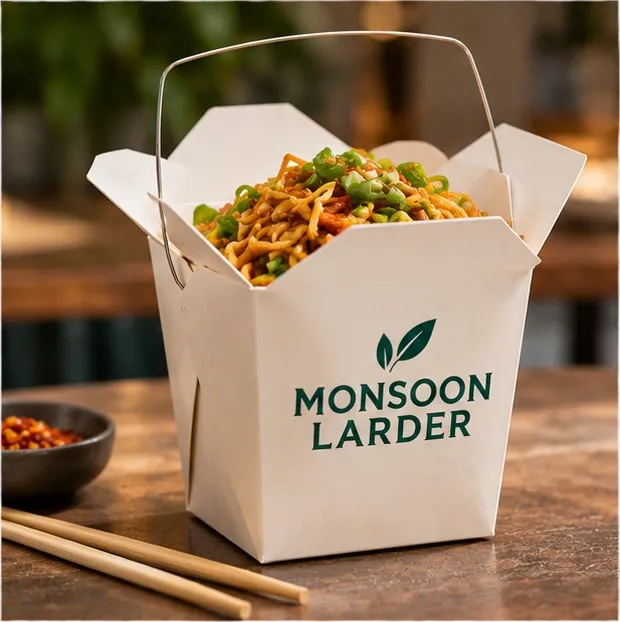
- Noodle boxes and wok cups for Asian food and anything saucy
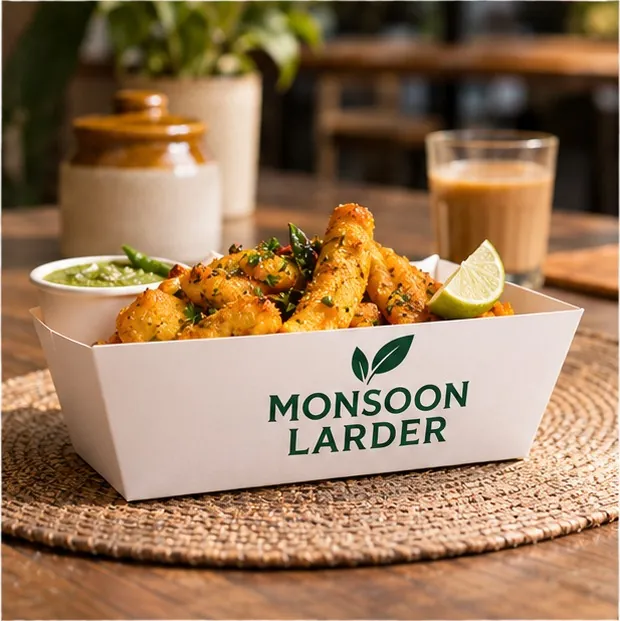
- Fries trays and snack trays for sides
- Salad bowls for healthy menus
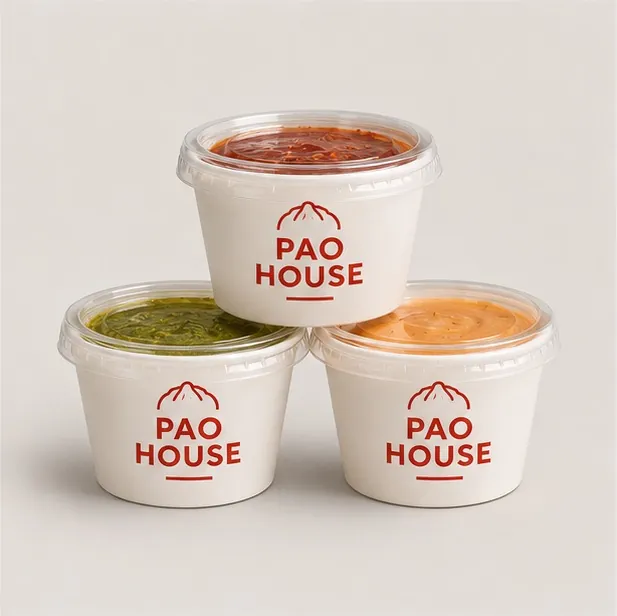
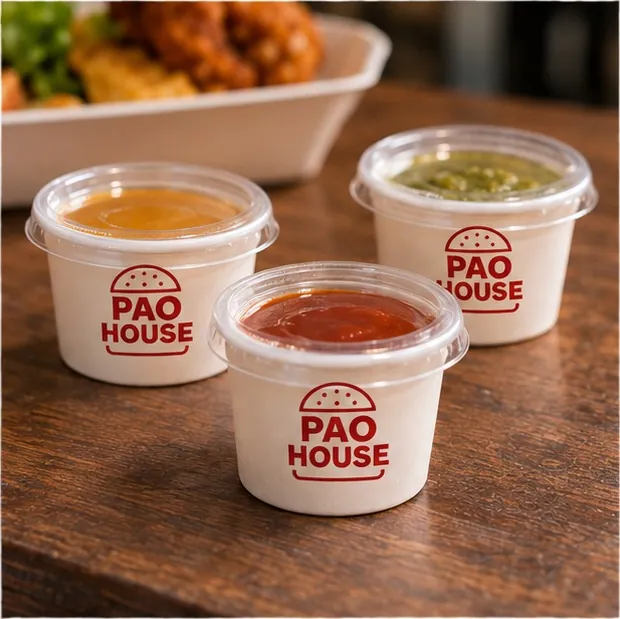
- Sauce cups with lids for dips and chutneys
The main things to check are size and strength. A box that’s too big lets food move and go cold. A box that’s too weak gets crushed under the order above it.
Steam and grease
Hot food releases steam, and steam makes fries soggy and boxes soft. Some boxes have vents for this. Fried food also releases grease, which soaks through plain paper and leaves marks on the bag and the customer’s table.
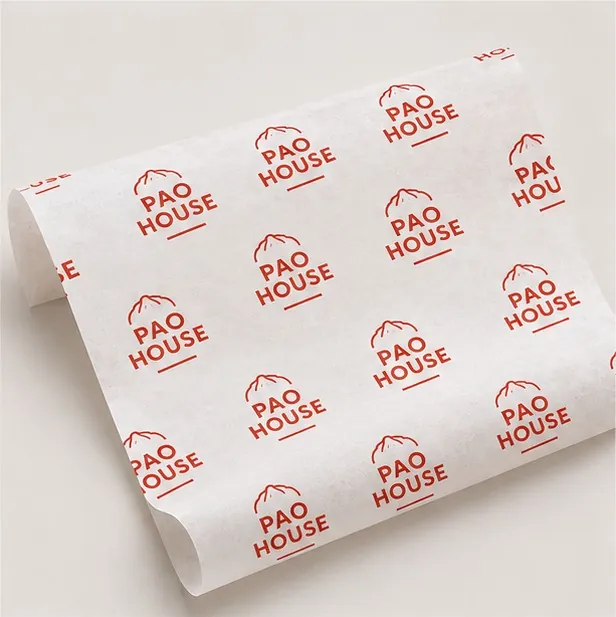
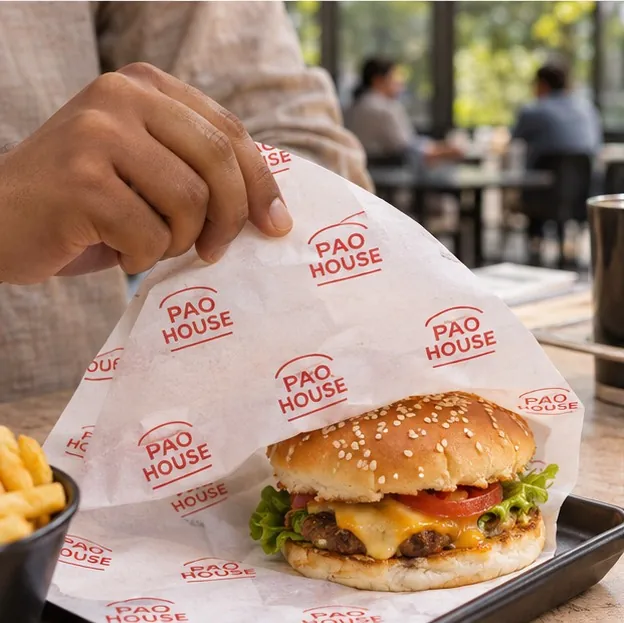
Greaseproof paper solves a lot of this. A printed sheet inside a burger box or around a wrap holds the grease and adds another branded surface for very little. It’s one of the most useful things a delivery kitchen can print.
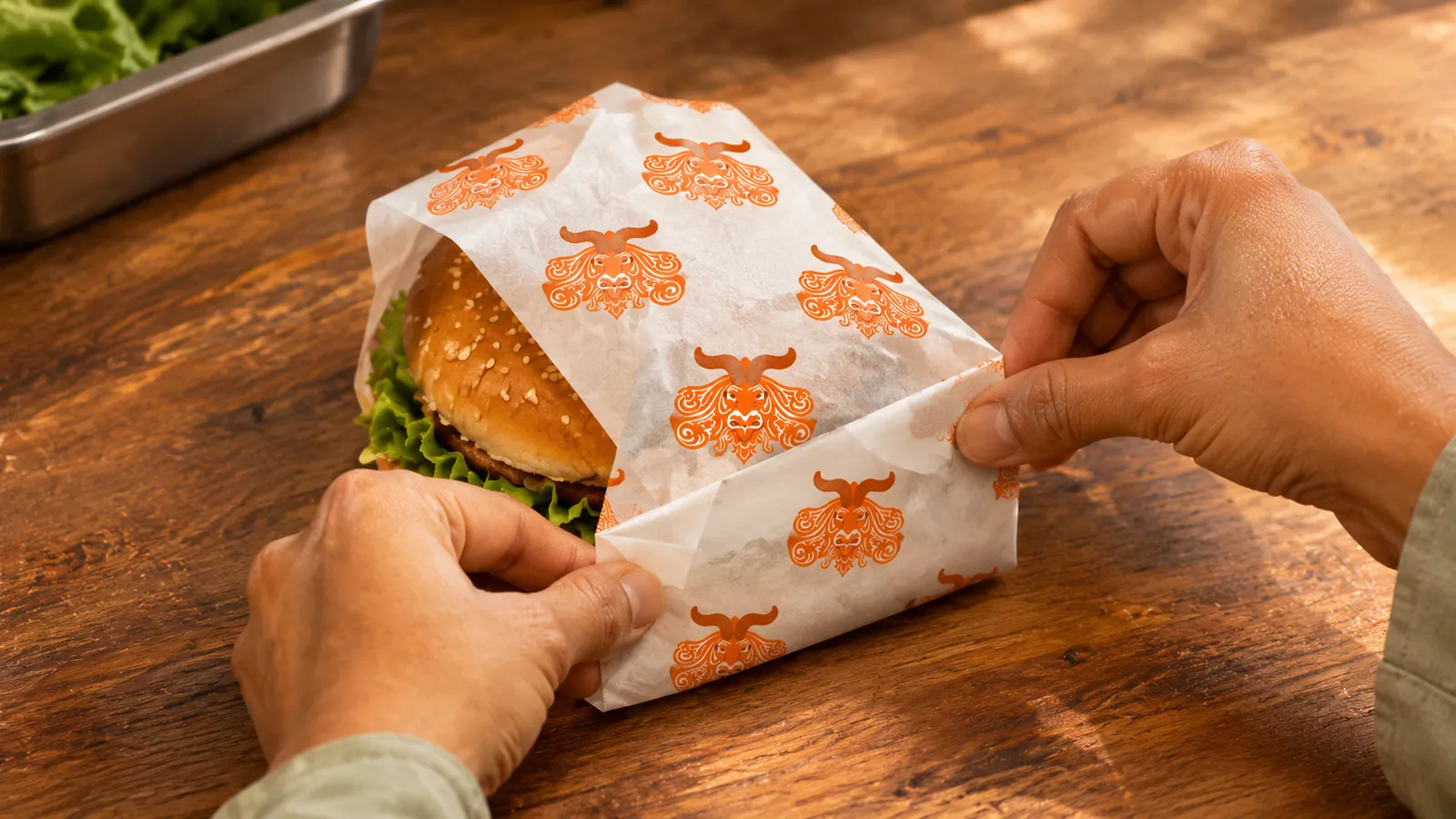 A printed greaseproof wrap. Brand shown is a sample.
The bag
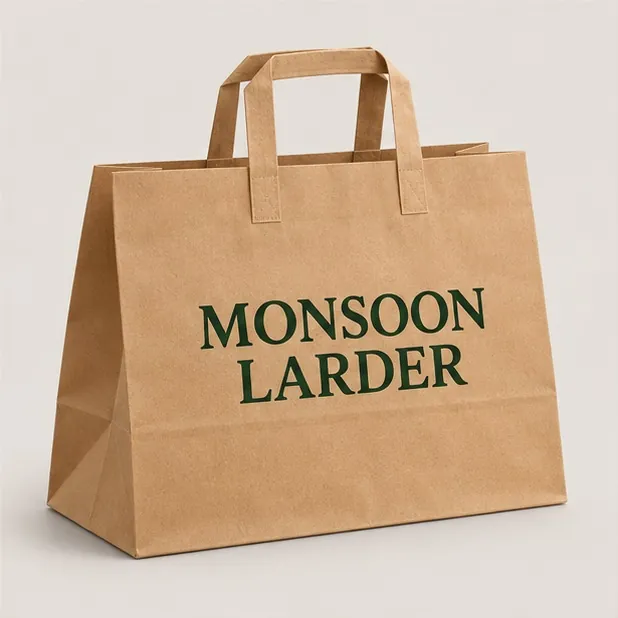
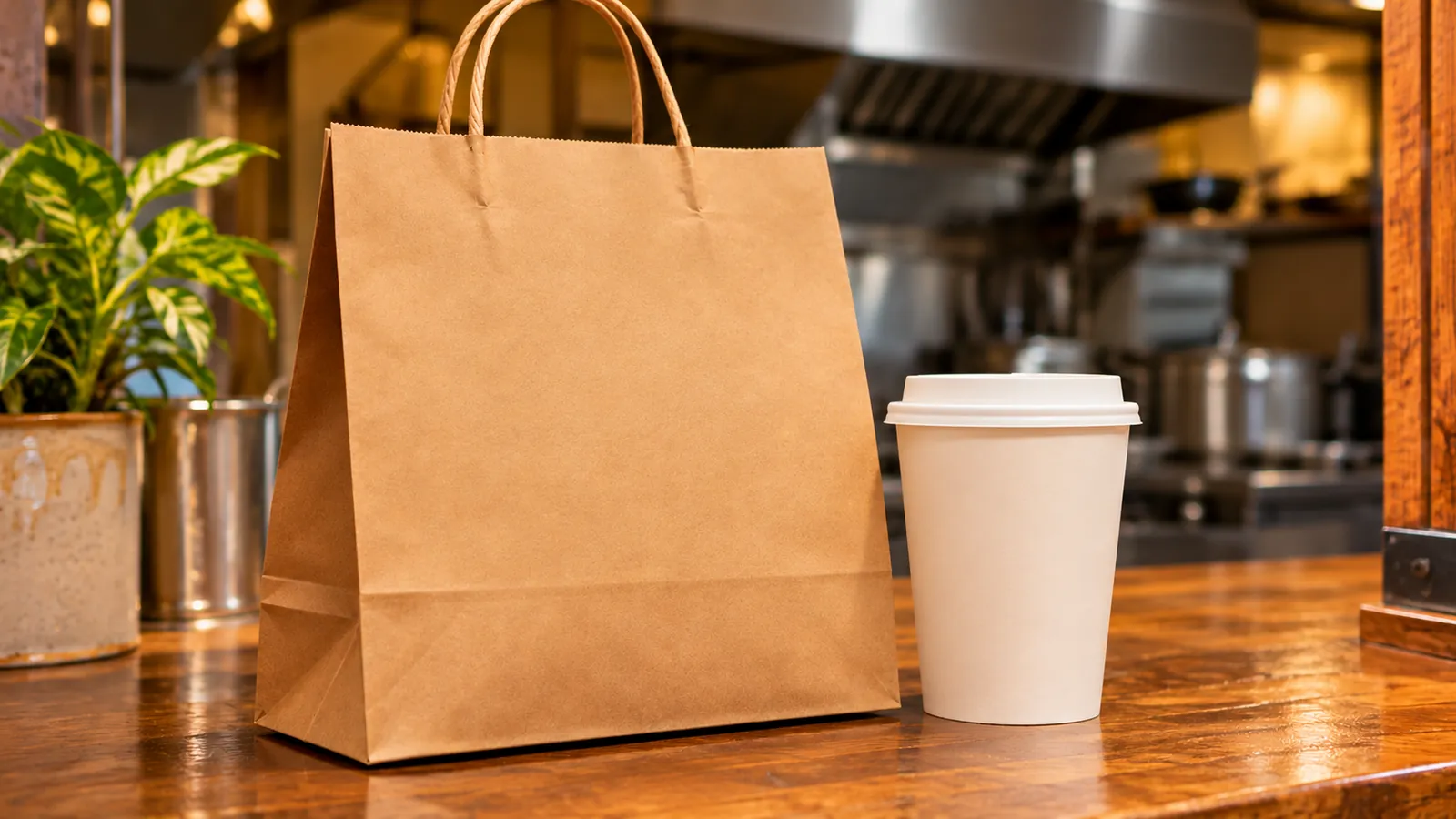
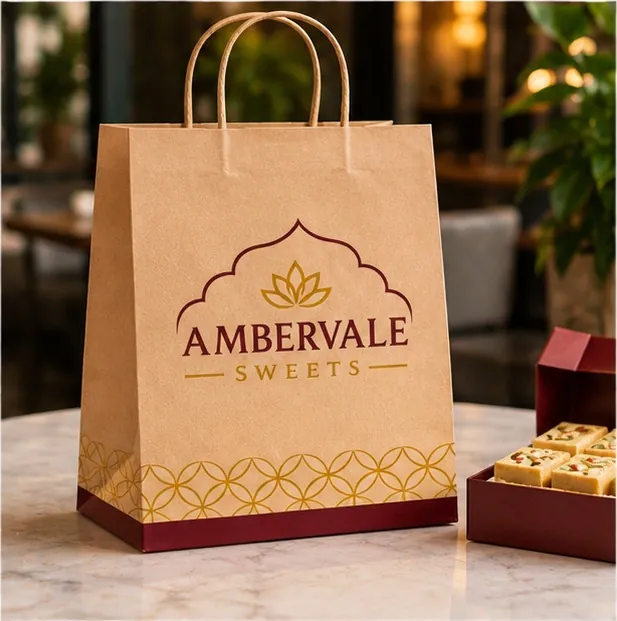
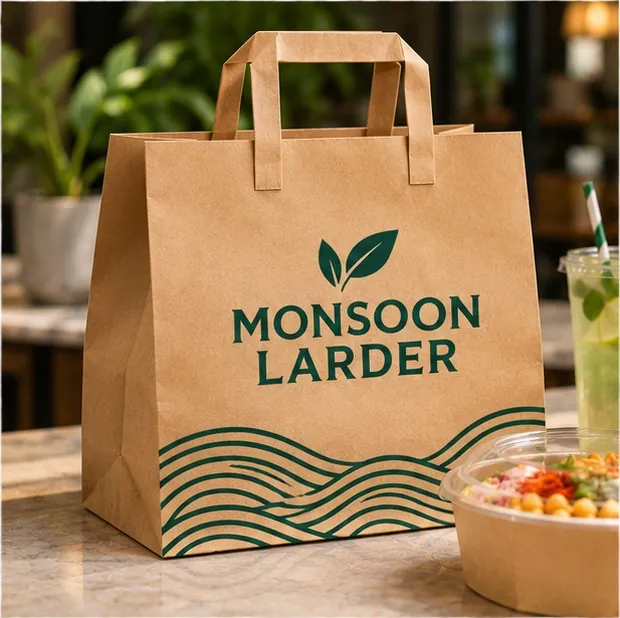
The delivery bag is what the customer sees first, and often what the rider’s photo shows. A paper bag with flat handles is the standard for most orders. Check:
- The base is wide enough for your biggest common order to sit flat. Boxes stacked at an angle spill.
- The handles hold the weight of a full order. Twisted and flat handles both work if the bag is the right GSM.
- There’s room for the logo on both sides, since you don’t know which way it will face.
For pizza, a pizza carrier bag keeps the box level.
Seal it
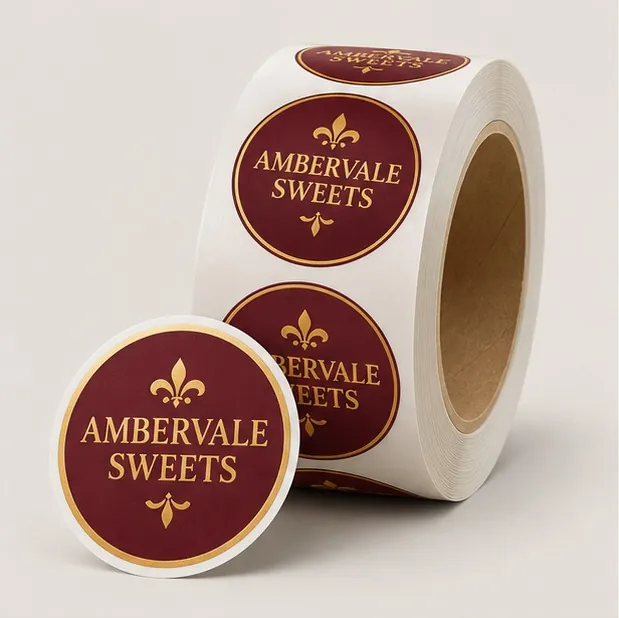
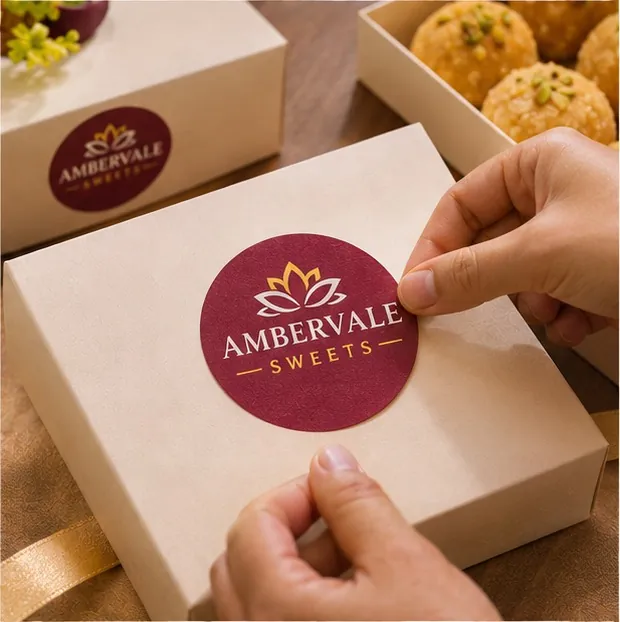
A branded sticker across the top of the bag or the box lid does two jobs. It shows the order hasn’t been opened since it left your kitchen, and it puts your logo on top. Customers have come to expect a sealed bag, and it’s one of the cheapest things to brand.
Brand every layer
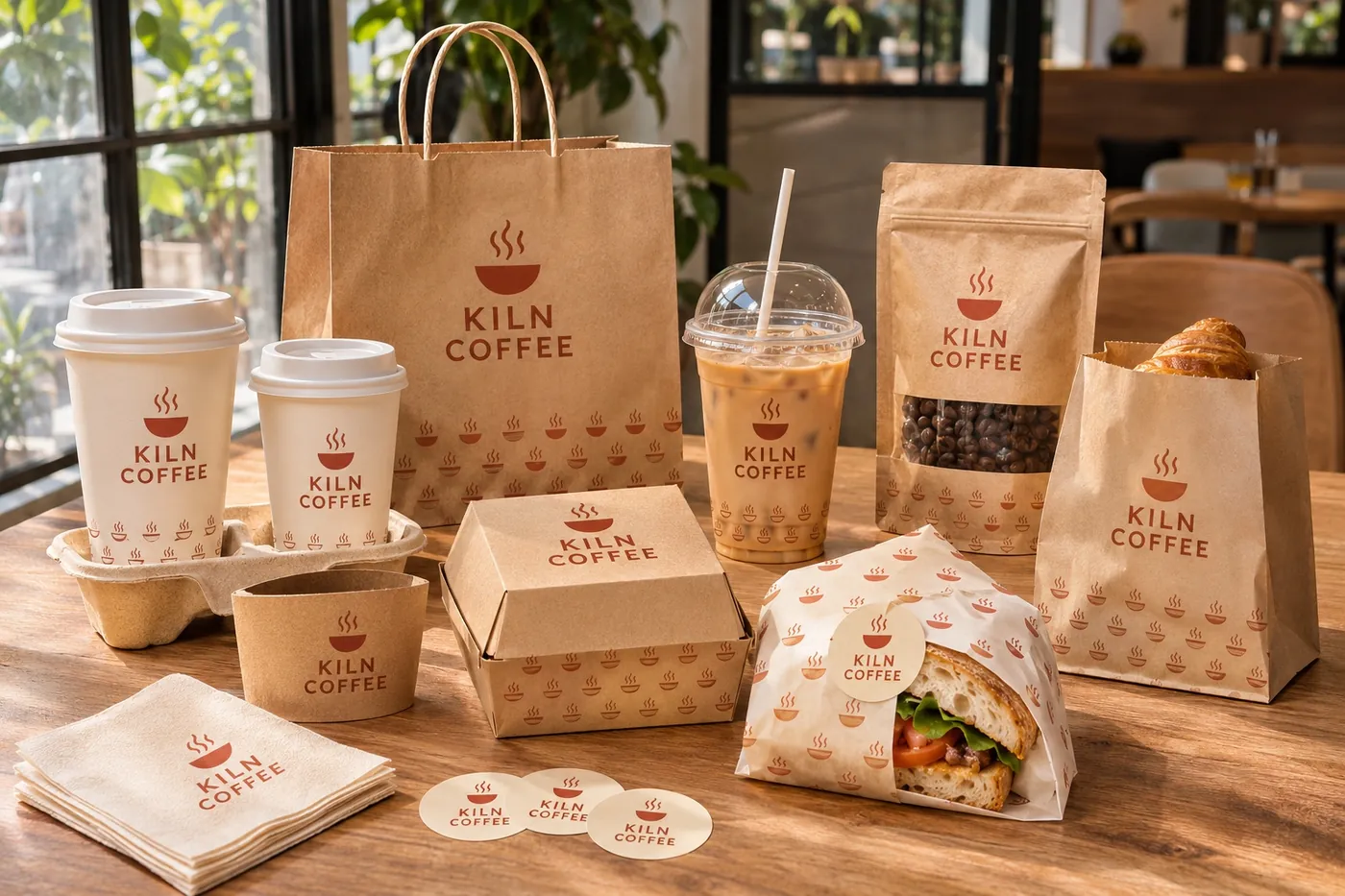
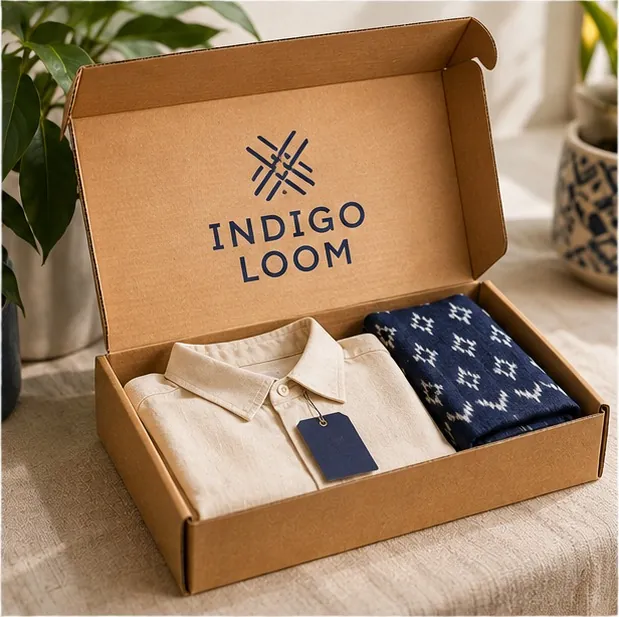
A delivery order has several layers: bag, box, wrap, sticker, napkin and sometimes a printed insert. Every one of them is a chance to put your name in front of the customer.
Some ideas that work well:
- A printed insert or thank-you card with your menu QR code, social handle or a reorder offer
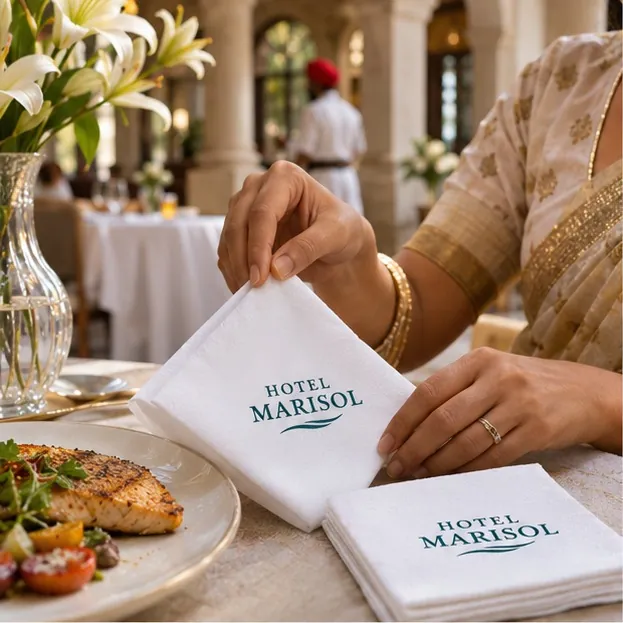
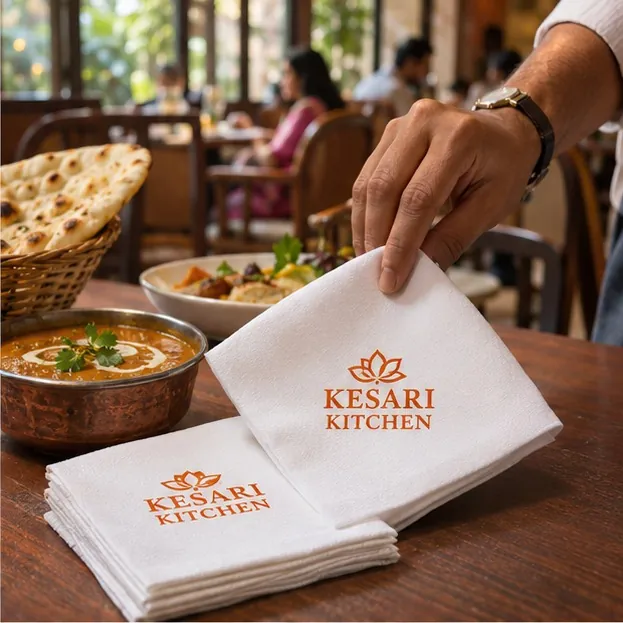
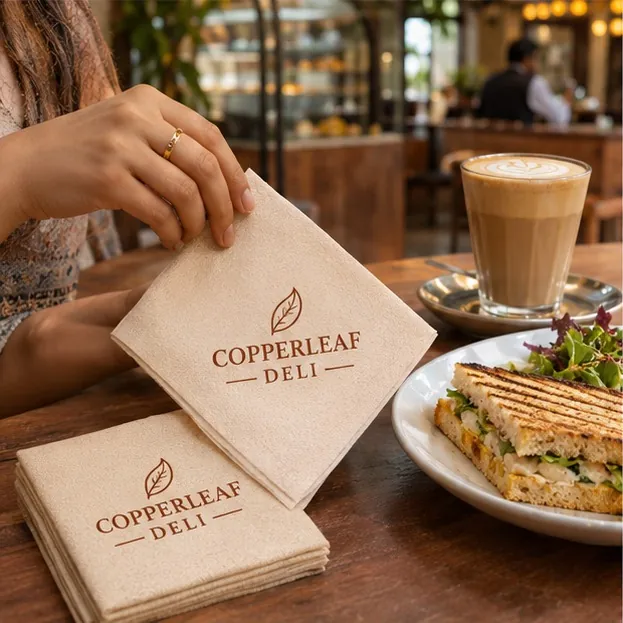
- Branded napkins or a cutlery napkin in the bag
- A consistent look across brands. Many cloud kitchens run several brands from one kitchen. Different logos, but one supplier and one reorder process.
Kraft or white?
Kraft looks natural and hides grease better. White shows colour better. Our kraft vs white guide goes through how each one prints.
Test before you commit
Before a big order, put together one full delivery with the real food. Leave it in the box for the time a typical delivery takes, shake it a bit and see what arrives. Ask for plain samples to do this. It tells you more than any spec sheet.
Getting your kit together
Send us your menu and logo. We suggest a box for each item, set up the artwork for free and send a mockup of the full kit: bag, box, wrap and sticker. Everything comes on one quote. See the delivery starter set for ideas, or put your logo on a burger box in the Try-On.